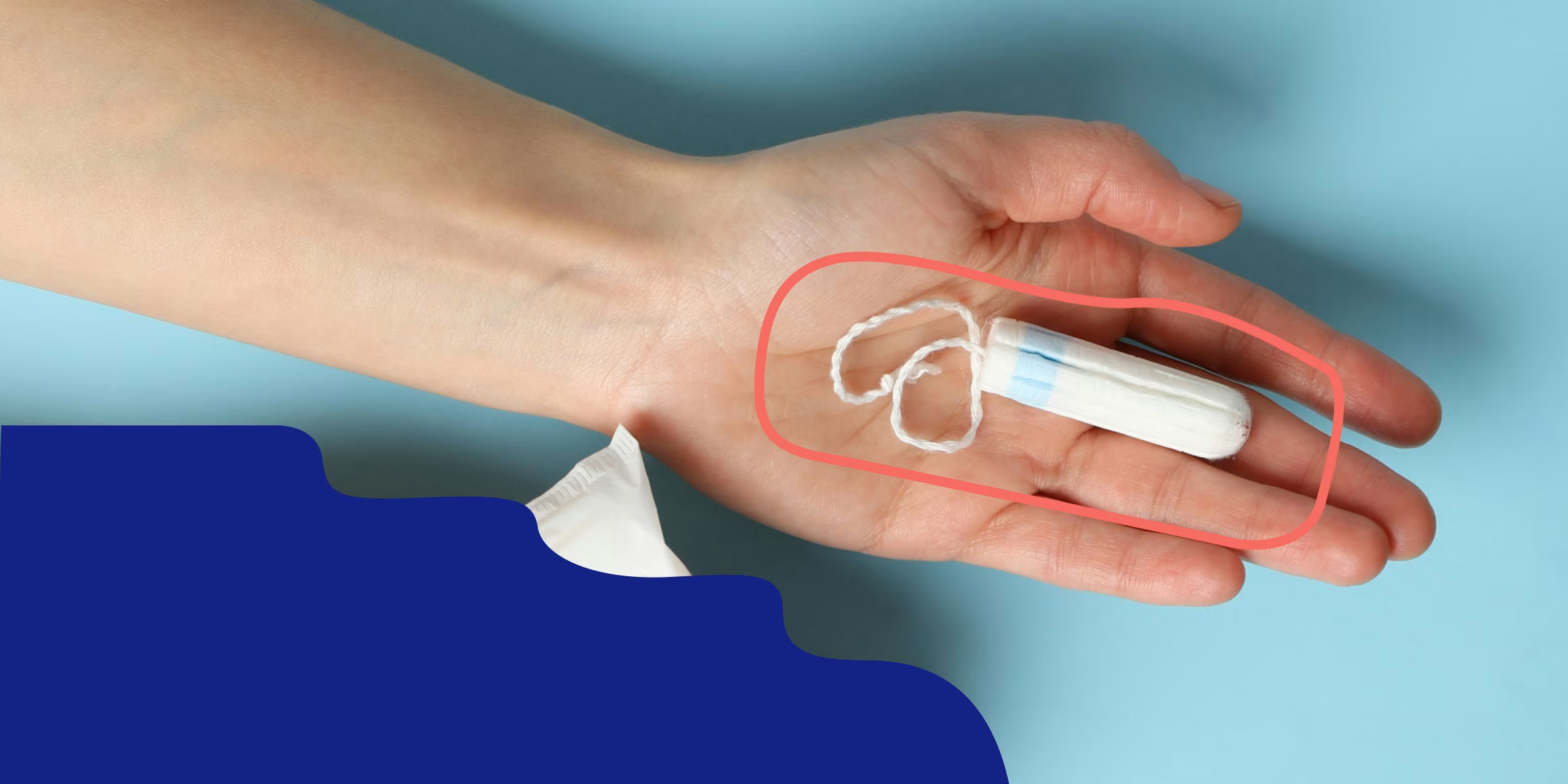

Have you ever noticed a fishy smell or signs of a vaginal infection during your period? You’re not alone. Bacterial vaginosis (BV) is a common infection that can develop around your period—but do period products, like tampons, make things worse?.
In this article, we’ll break down how tampons may affect BV, what to watch for, and how to keep your vaginal health in check.
Need fast, convenient BV treatment? Hey Jane can help. Get care from the comfort of home with a virtual consultation over chat, phone, or video. If treatment is prescribed, we’ll send it to your local pharmacy for easy pickup. Click here to get started.
What is BV?
Bacterial vaginosis (BV) happens when there is an imbalance in the bacteria that naturally live in your vagina.
Your vagina is home to its little ecosystem, and usually has more good bacteria (like lactobacilli) that help keep things slightly acidic. This healthy environment keeps bad bacteria in check. But when the balance gets thrown off—fewer good bacteria, more bad—you can get BV.
Common BV symptoms include:
- Fishy-odor odor
- Thin off-white, gray, or greenish vaginal discharge
- Vaginal itching or irritation
- Burning when you pee
Some people don’t notice any symptoms at all, which can make BV hard to catch early.
Can tampons cause BV?
Tampons don’t directly cause bacterial vaginosis, and neither do other menstrual products like pads. However, leaving a tampon in for too long—especially over 8 hours—gives bacteria time to multiply. This not only raises your risk for BV, but also for toxic shock syndrome (TSS), a rare but serious bacterial infection.
It is also not recommended to use tampons if you are currently treating a BV infection, especially if you are using a gel in the vagina for treatment.
What about scented tampons?
Scented tampons can do more harm than good. They often contain chemicals or fragrances that can:
- Irritate your vaginal tissue
- Disrupt your natural pH
- Mess with your healthy bacterial balance
Even a little irritation can make your vagina more vulnerable to BV. If you have sensitive skin or tend to get BV often, it’s best to stick with unscented, fragrance-free products.
Dealing with odor from bacterial vaginosis?


Can switching tampon brands help?
Possibly, since not all tampons are created equal. Some are made with rayon or synthetic fibers, while others use 100% organic cotton. If you’ve had recurring BV or irritation, switching to a different brand could help. Look for products that are organic, unscented, and free of bleach or other harsh chemicals.
You can also try different types of period products, including pads, menstrual cups and discs, or period underwear. Everyone’s body is different, so it may take some trial and error to find what works best for you.
Tampon habits that may help prevent BV
If you’re prone to BV, changing how you use tampons can help lower your risk.
Other common causes of BV
Tampons can affect your vaginal pH, but there are much more common triggers to watch out for. These include:
- Unprotected sex (especially with new or multiple partners)
- Douching (which disrupts your natural pH balance)
- Scented products like soaps, bubble baths, or wipes
- Tight or non-breathable underwear or clothing
- Hormonal shifts during your cycle, pregnancy, or menopause
The truth is, BV isn’t always something you can control. Some people are just more likely to get it—and that’s totally normal. It doesn’t mean you did anything wrong. What matters most is knowing how to treat it and take care of your body with confidence and support.
What to do if you think you have BV
First, don’t panic. BV is super common—it affects millions of people each year—and the good news is, it’s easy to treat with a short course of prescription antibiotics. You should see symptoms get better within a few days.
This medicine can come in different forms:
- Pills you can swallow with water
- Vaginal gels or creams you apply around your vagina and vulva.
It’s also best to skip the DIY or “natural” remedies you might see online—most of them aren’t proven to work and could actually make things worse.
If you’re noticing unusual discharge, a strong odor, or if BV keeps coming back, it’s a good idea to check in with a healthcare provider for support and treatment that works.
If you need BV treatment, Hey Jane offers discreet, fast care from the comfort of home. You can be evaluated and treated without ever having to step into a waiting room, and still get clinic-quality care for less. See if you're eligible here.
Thin, gray vaginal discharge? It could be BV


.jpg)