
The short answer: no, the abortion pill cannot be reversed. Still, there’s a lot of confusing and misleading information online that says otherwise—mostly coming from anti-abortion organizations, including fake clinics known as crisis pregnancy centers (CPCs).
If you’ve searched “Can you reverse the abortion pill?” you’re not alone. People may ask this question when they feel unsure, scared, or just want to understand every option. Unfortunately, there is information out there isn’t based on science.
In this guide, we’ll walk you through the facts: what the abortion pill actually is, what “abortion pill reversal” really means, and what to do if you’re unsure about your decision—no judgment, no pressure—just clear, reliable information.
At Hey Jane, we support all pregnancy options. Abortion is one option, and so is continuing a pregnancy. Your body, your choice, your timeline.
What is the abortion pill, and how does it work?
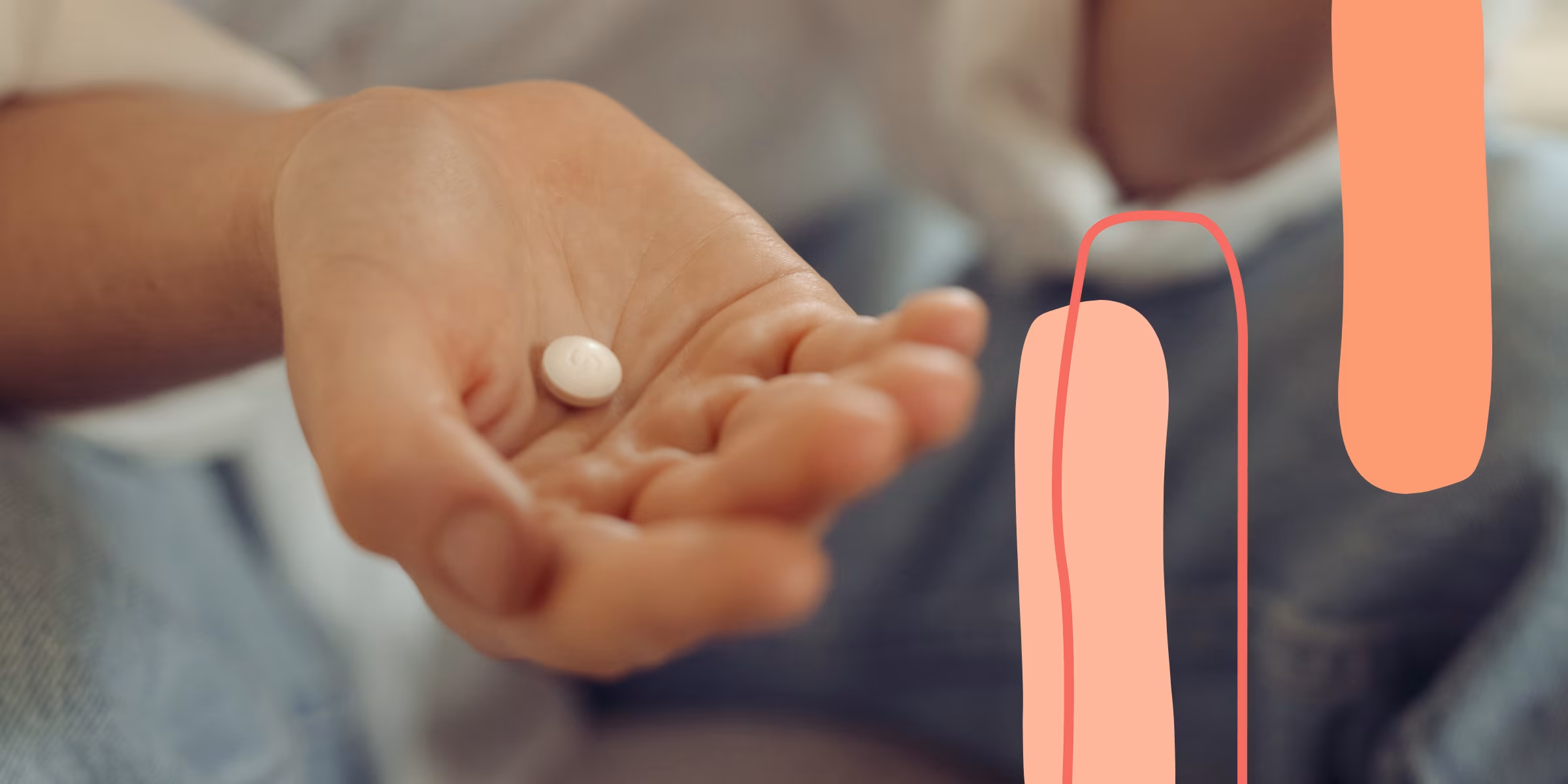
When people discuss “the abortion pill,” they are referring to medication abortion: a safe and effective two-step process used to end a pregnancy up to 10 weeks.
- Step 1: You take mifepristone, a medication that blocks a hormone called progesterone, to stop the pregnancy from continuing to grow.
- Step 2: Six to 48 hours later, you take a second medication called misoprostol, which causes the uterus to cramp and empty.
Together, these medications are up to 98% effective (up to 10 weeks of pregnancy) and recommended as safe by major medical groups, including the American College of Obstetricians and Gynecologists (ACOG) and the World Health Organization (WHO).
What happens during an “abortion pill reversal”?
So-called “reversal” programs typically give people high doses of progesterone after taking mifepristone, claiming it can “undo” the medication. But there’s no evidence this works—and it can delay or complicate real medical care.
Is it possible to reverse the abortion pill?
No. Once mifepristone is taken, there’s no medically proven or safe way to reverse it.
The term “abortion pill reversal” or “mifepristone reversal” gets tossed around a lot, but here is what experts agree on:
- “Abortion pill reversal” is not approved by the U.S. Food and Drug Administration (FDA).
- It’s not supported by ACOG or any major medical organization.
- The only clinical trial testing it was stopped early because it posed serious safety risks.
- There are no high-quality, peer-reviewed studies showing it works.
In fact, the concept of “reversal” didn’t come from mainstream medicine—it originated from anti-abortion groups, not health care experts.
Are “abortion pill reversal” services legit?
No. Most places promoting “abortion pill reversal” are crisis pregnancy centers (CPCs)—fake clinics that pose as legitimate health centers but often have no licensed medical staff and aim to dissuade or prevent people from getting abortions.
Safe, legitimate abortion care from the privacy of home


Why “abortion pill reversal” claims are harmful
Beyond being unproven, “reversal” messaging can cause real harm:
- Spreads misinformation through fake clinics that look legitimate online and even in person.
- Creates false hope when someone is feeling anxious, unsure, or vulnerable.
- Triggers guilt and shame, especially when paired with manipulative counseling.
- Causes emotional distress, especially if someone is pressured into trying it.
- Can lead to incomplete abortions or complications.
- Delays real medical care, which can increase health risks.
In short, the phrase “abortion pill reversal” may sound reassuring, but it’s not backed by science, and the messaging around it is often designed to shame or scare people rather than support them.
What to do if you’re feeling unsure after taking mifepristone
First off, these feelings are completely valid. Abortion is a deeply personal decision, and it’s normal to have mixed emotions about it.
If you’re feeling unsure about your decision, the best next step is to talk to a licensed health care provider as soon as possible.
If you’re a Hey Jane patient, our care team is here for you. We can answer your questions and support you through next steps. You can message us through your patient portal at any time, or call our 24/7 nursing line (listed on page 2 of your treatment guide) if you have already started bleeding after taking mifepristone.
If you choose not to take the second medication (misoprostol), we recommend following up with an in-person provider three to seven days after taking the mifepristone. Hey Jane can help you find a trusted local provider—all you have to do is ask. This way, we can help you avoid visiting a CPC or fake clinic
If you’re not a Hey Jane patient, there are other trustworthy resources—like the Abortion Hotline and All-Options Talkline—that can give you confidential, judgment-free help. We have a full list of vetted support options here.
Do I have to take misoprostol if I change my mind?
If you have not taken mifepristone yet: You don’t have to move forward with treatment.
If you have taken mifepristone but not misoprostol: As a first step, check in with your medical provider to discuss your options. Your provider may advise that you can stop—but taking only mifepristone may lead to an incomplete abortion, which can cause complications.
Note: If you begin to experience moderate to heavy bleeding after taking mifepristone, taking the misoprostol can help prevent heavier bleeding and potential hemorrhaging.
You should always consult a healthcare provider and follow their instructions.
How to spot a fake clinic
Abortion reversal clinics are typically just crisis pregnancy centers—fake clinics that come off as professional but are designed to delay or discourage abortions. Here are some red flags to look out for:
- No licensed doctors or nurses on staff
- Offers free ultrasounds but no real treatment
- Uses vague or misleading language (like “abortion information” instead of “abortion services”)
To find safe, real providers, use directories like Abortion Finder. If you’re ever unsure, reach out to your trusted provider team at Hey Jane first.
The bottom line
There’s no safe or proven way to reverse the abortion pill—and anyone claiming otherwise is not giving you proper medical advice. “Reversal” is a myth created by anti-abortion groups and promoted by fake clinics that can delay care and cause harm.
You deserve real abortion facts, not scare tactics. If you’re feeling unsure or have questions, the best step is to talk with a real medical provider who can explain your options and any risks of stopping mid-treatment. Ultimately, your health, safety, and peace of mind are what matter most.
Need support evaluating your pregnancy options?


.avif)