
When people talk about the rising cost of living in America, the conversation usually turns to grocery bills and gas prices. But there's a quieter toll that rarely makes headlines: Women are skipping doctors' appointments, delaying reproductive health care, and putting off having children—not because they want to, but because they simply can’t afford to.
A new Hey Jane survey of 700 U.S. women ages 18-44, conducted in April 2026, puts numbers to what many women are already living. The findings are striking—and they arrive at a moment when the economic pressures American women are facing show no signs of letting up.
Key findings

- Nearly 1 in 3 women (30.7%) have delayed or reconsidered having children due to economic concerns in the past 12 months.
- Nearly 2 in 3 women (63.1%) delayed or skipped at least one health care service in the past 12 months due to cost or financial concerns.
- More than half of all women (51.3%) are not confident they could afford an unexpected medical expense in the next 12 months. Just 11.6% feel very confident.
- More than 3 in 4 women (77.9%) say they would be likely or very likely to use a virtual clinic for women's health services if it were more affordable than in-person care.
The economic picture
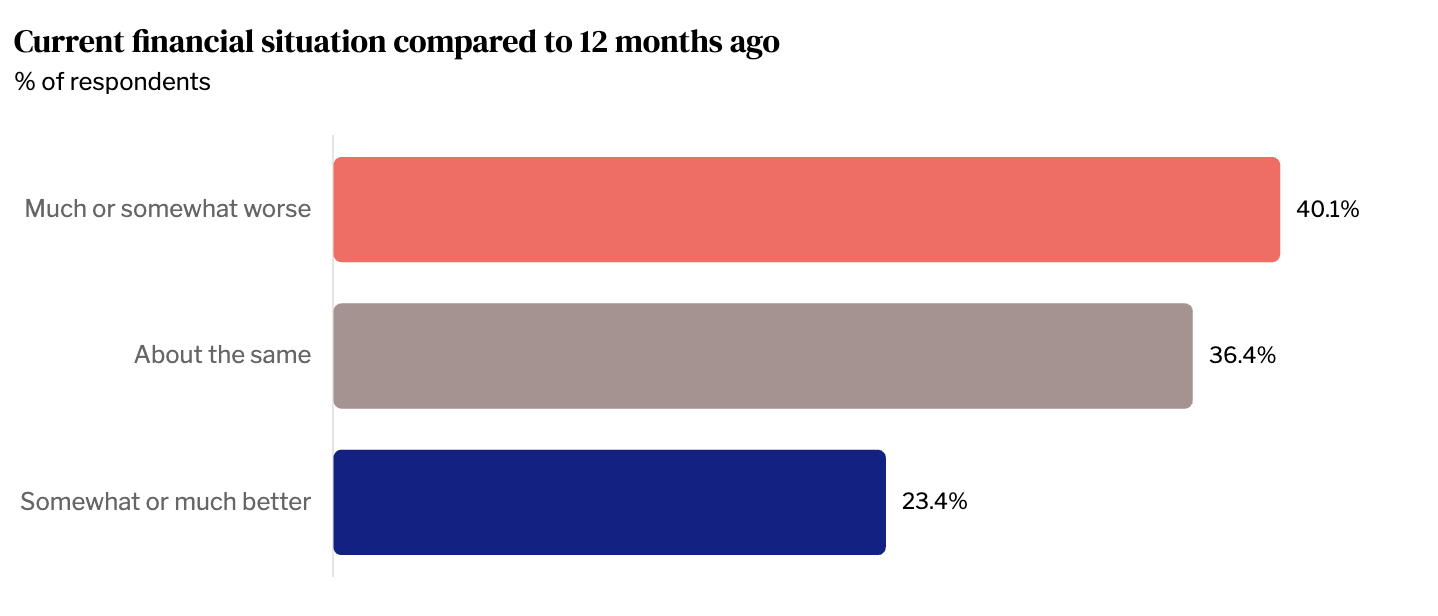
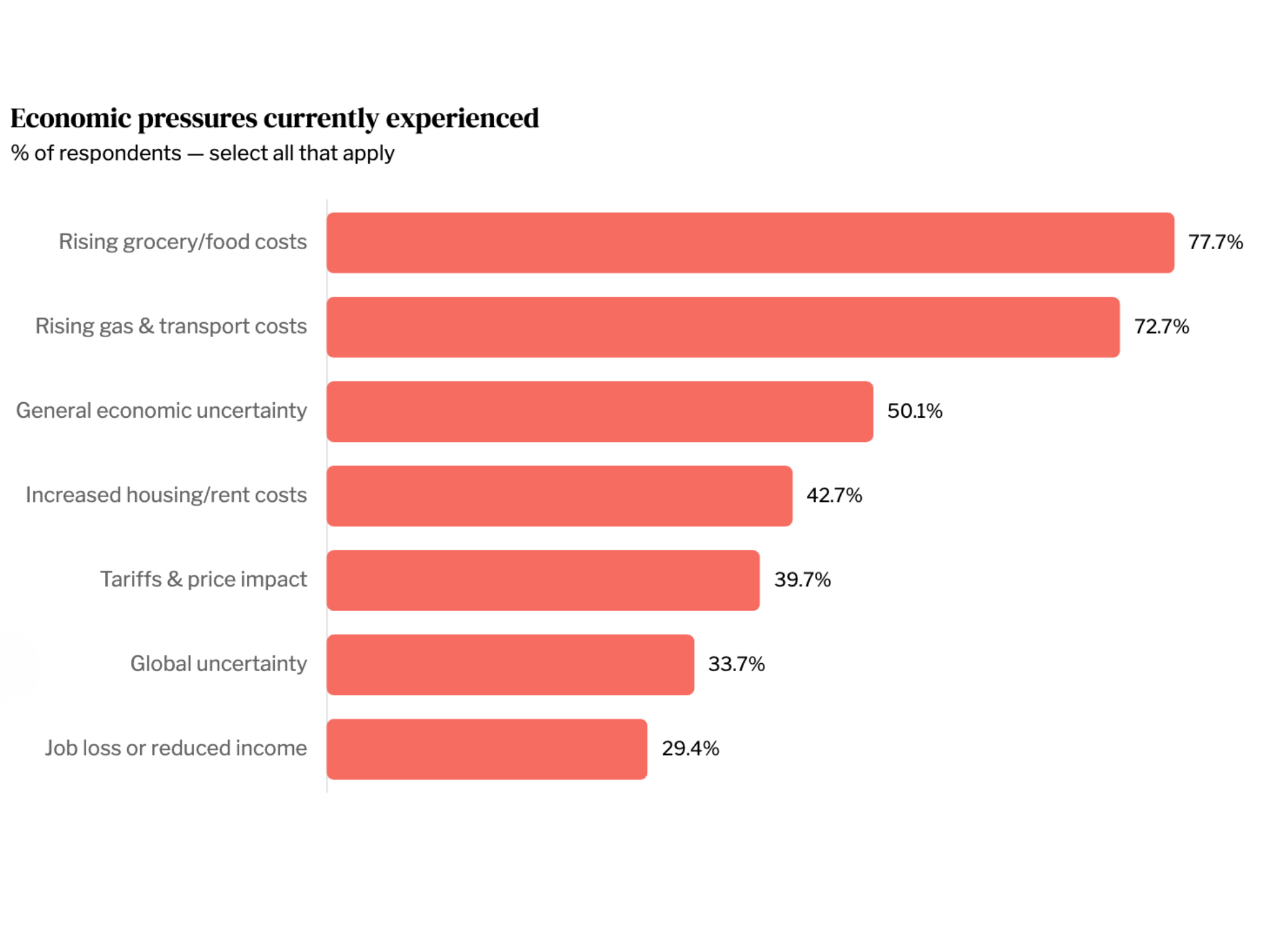
The economic backdrop against which these decisions are being made is stark. In our survey, 95.6% of women reported experiencing at least one form of economic pressure. And 40.1% say their financial situation is worse today than it was just 12 months ago. The top pressures cited were rising grocery and food costs (77.7%), rising gas or transportation costs (72.7%), and general uncertainty about the economy (50.1%).
These anxieties reflect the cost-of-living realities most people are currently facing, as everything from the price of orange juice to postage to gas has spiked in the past year. For American families already stretched thin, this economic uncertainty is arriving at the worst possible time.
And as all of this is happening, health care costs have risen—with the expiration of federal ACA subsidies and Medicaid funding cuts pushing costs even higher in 2026. (On a compounded basis, costs are estimated to be 62% higher in 2026 than 2017 levels.)
For women—who already bear a disproportionate share of health care costs—the math is getting increasingly difficult to work out.
Women are deferring health care
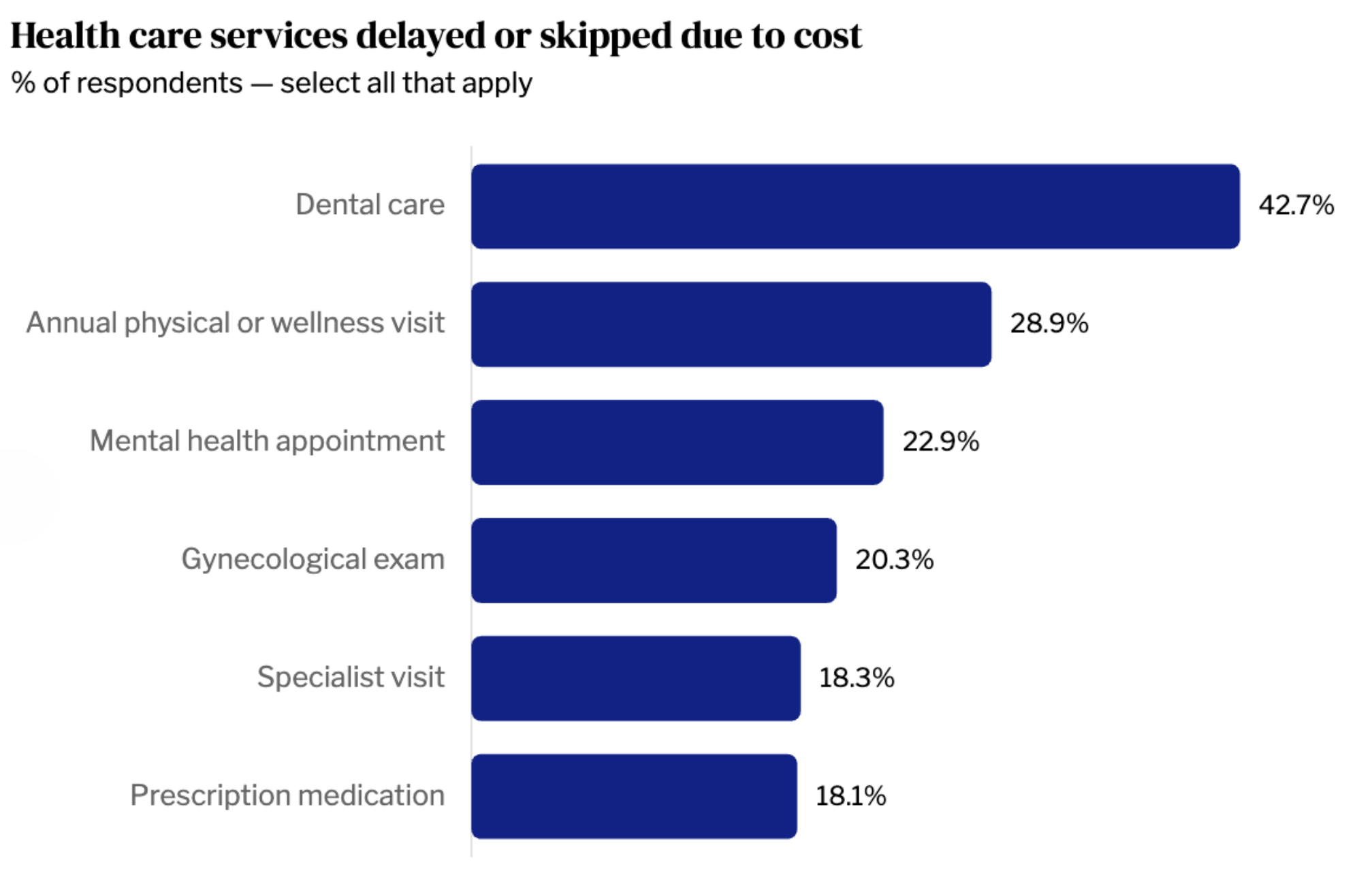
The consequences of that math are showing up clearly in our data. Nearly 2 in 3 women (63.1%) delayed or skipped at least one health care service in the past 12 months due to cost or financial concerns. Dental care was the most commonly deferred service (42.7%), followed by annual physicals (28.9%), mental health appointments (22.9%), and gynecological exams (20.3%).
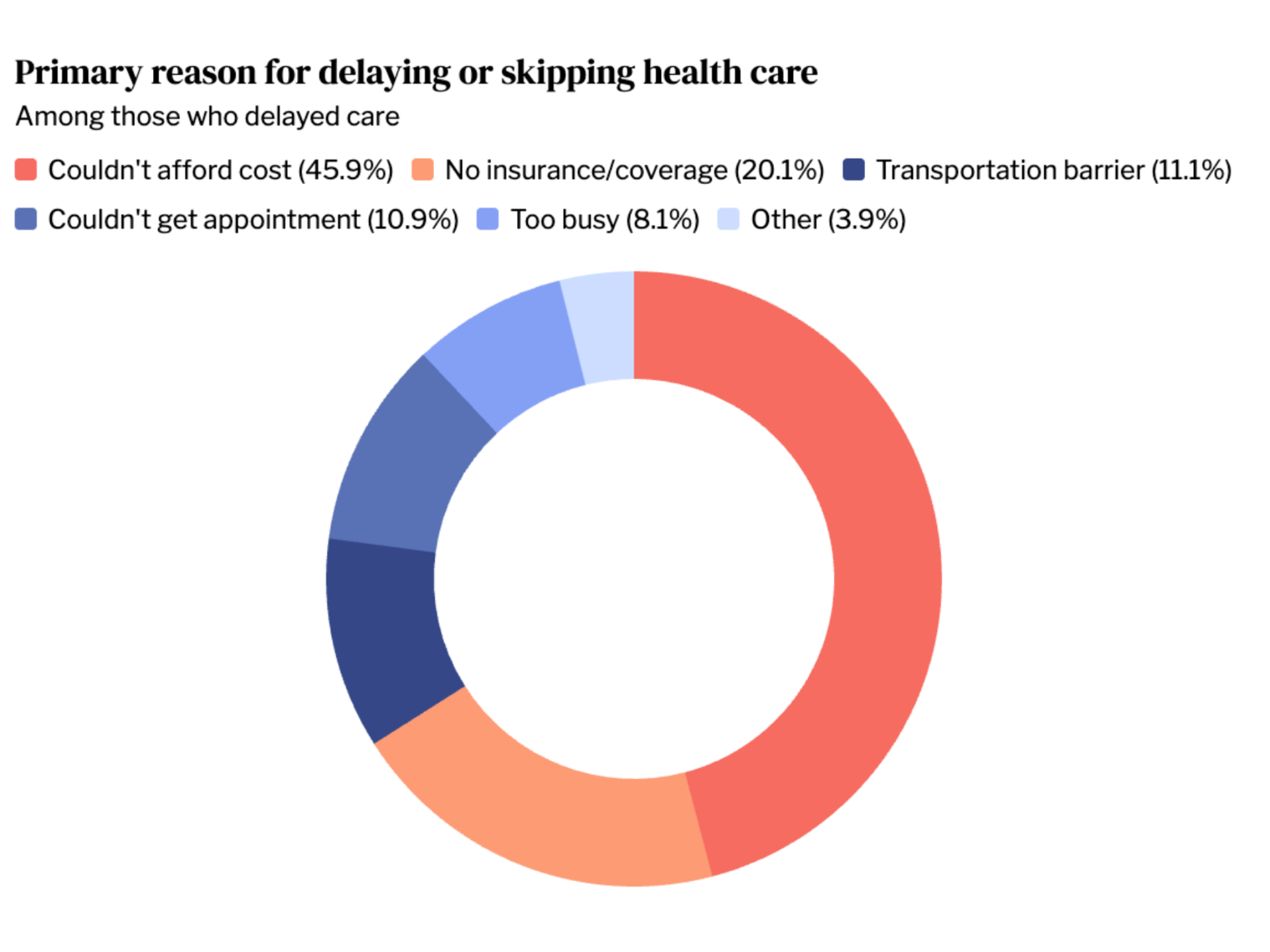
Among those who delayed care, 45.9% cited cost as the primary reason, and 20.1% cited lack of insurance or inadequate coverage. Together, that means nearly 2 in 3 women who skipped care did so not because of inconvenience or preference, but because of financial barriers.
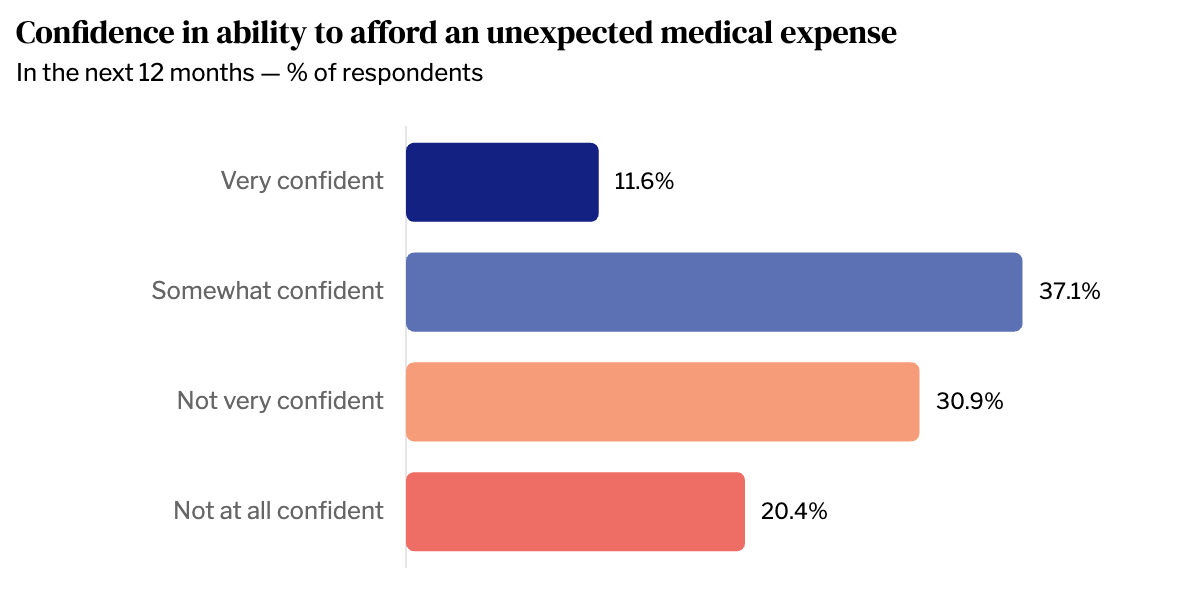
The financial vulnerability runs deep: 51.3% of women in our survey said they are not confident they could afford an unexpected medical expense in the next 12 months. Just 11.6% feel very confident. When health care becomes a luxury, the long-term costs—to individuals and to the health system—are steep.
Explore more research from Hey Jane


Reproductive health care access is compromised
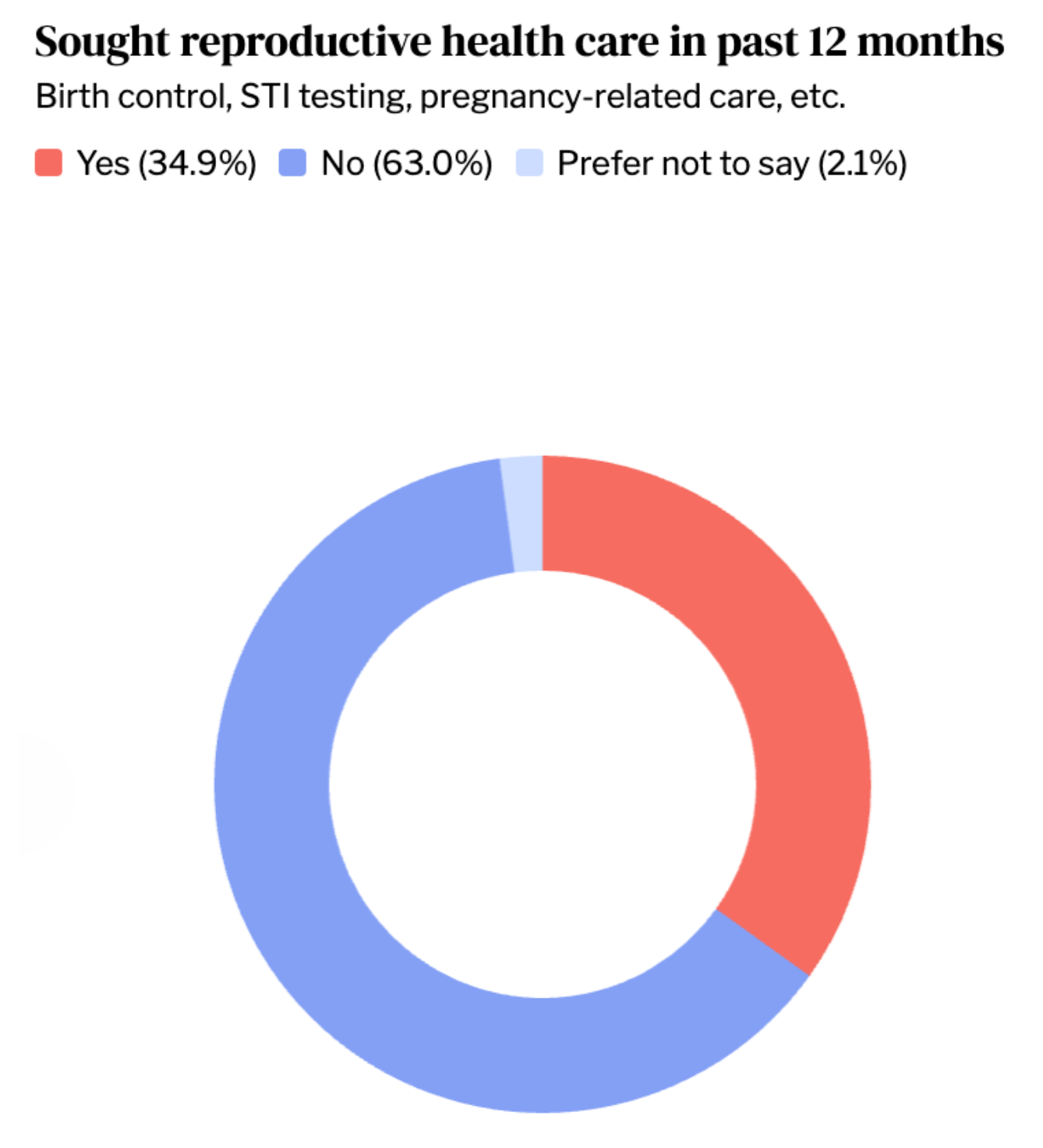
The economic squeeze isn't stopping at routine checkups. It's reaching into reproductive health care, too.
In our survey, 34.9% of women said they needed or sought access to reproductive health care (including birth control, STI testing, and pregnancy-related care) in the past 12 months. Among those women:
- 36.9% delayed care but were eventually able to access it because of cost or financial concerns
- 28.7% had to cut back on spending elsewhere to afford care
- 11.5% were unable to access the care they needed at all because of cost or financial concerns
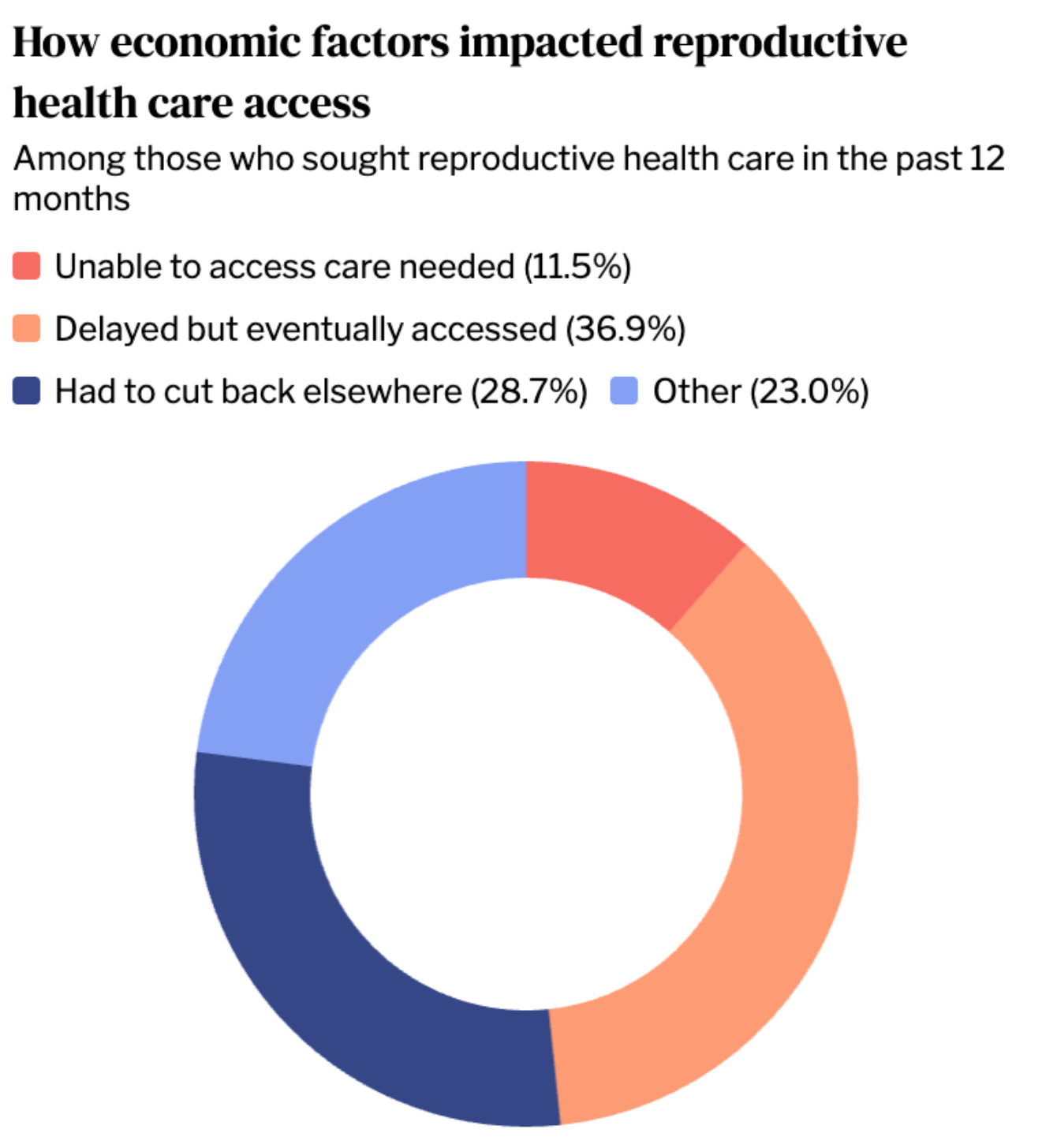
One in ten women not being able to access reproductive care represents a meaningful and preventable gap in access. The U.S. already has among the highest rates of women skipping or delaying needed care due to cost among high-income nations, and is the only wealthy country without universal health care coverage. The economic conditions of this past year are making an already difficult situation worse.
Having children is being put on hold
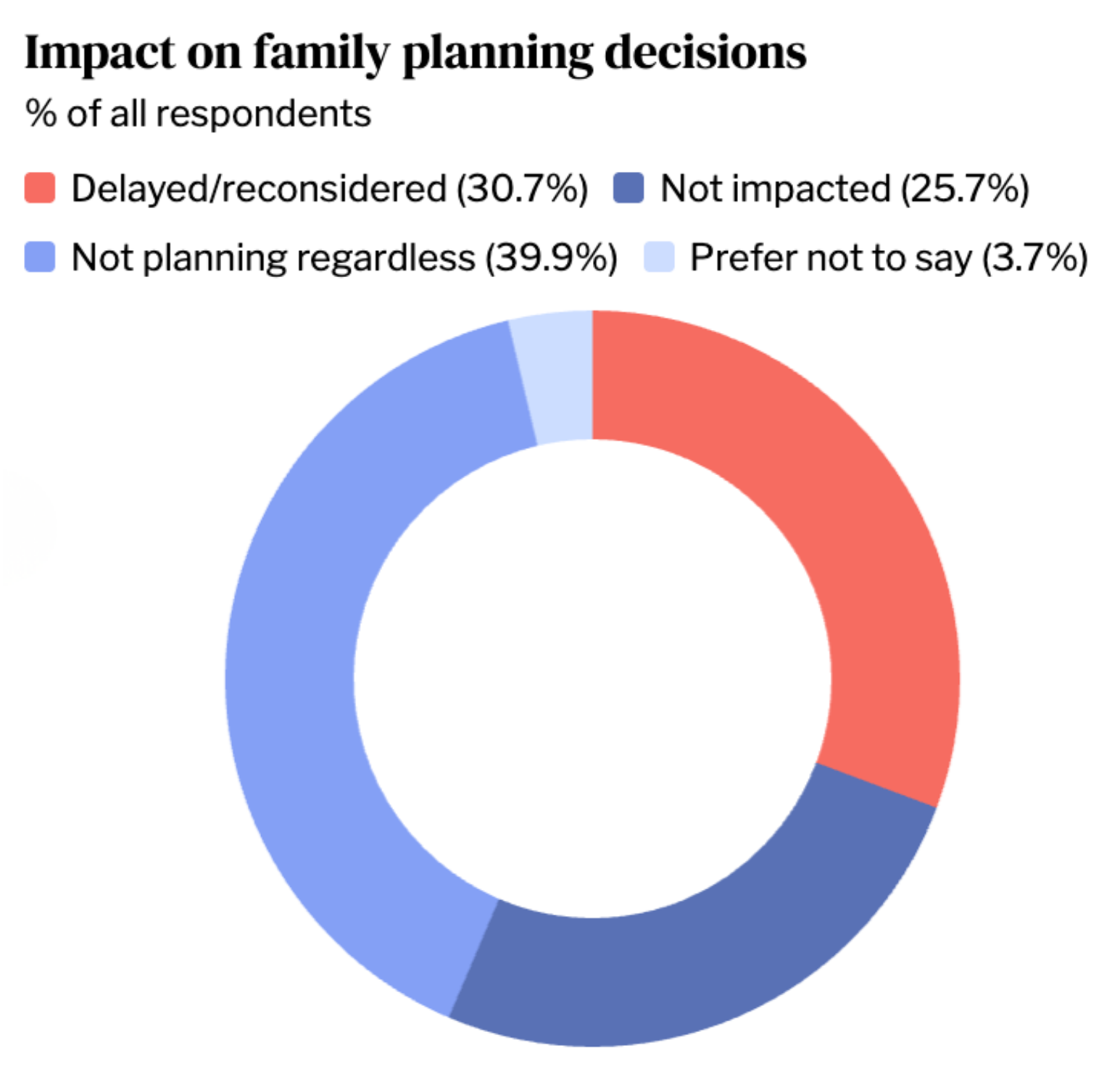
The findings of our survey shows that economic pressure is reshaping decisions about whether—and when—to have children. Nearly 1 in 3 women (30.7%) have delayed or reconsidered having children due to economic concerns in the past 12 months.
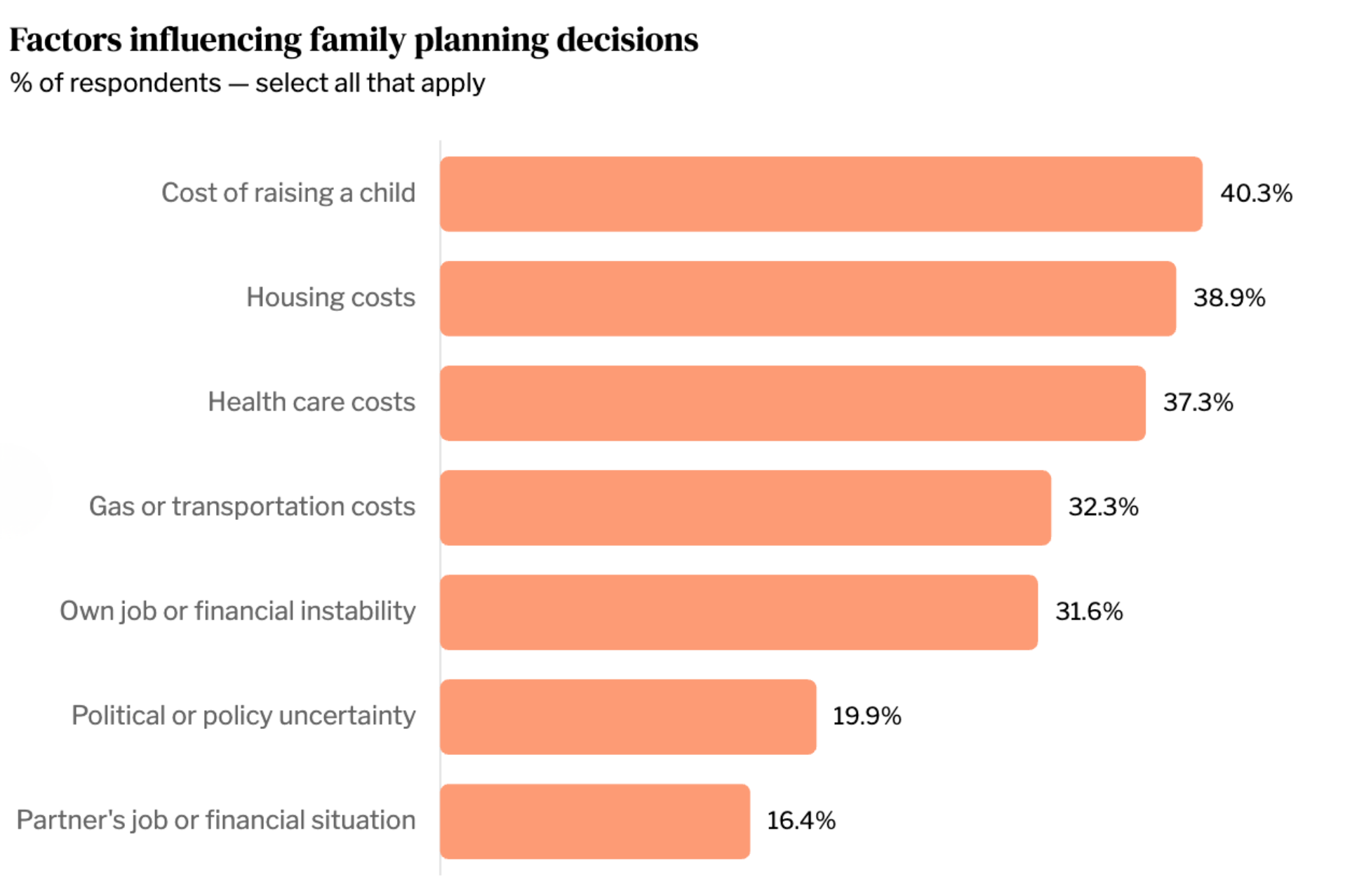
The factors driving that decision reflect the full weight of the current economic climate:
- Cost of raising a child: 40.3%
- Housing costs: 38.9%
- Health care costs: 37.3%
- Gas or transportation costs: 32.3%
- Job or financial instability: 31.6%
What’s clear here is that no single economic fix (be it lower gas prices, lower housing costs, or lower grocery bills) will completely solve for this economic strain felt by women making family planning decisions. To ensure that women can freely decide if, when, and how they become parents, there must be holistic efforts to address affordability.
Virtual care is seen as a solution
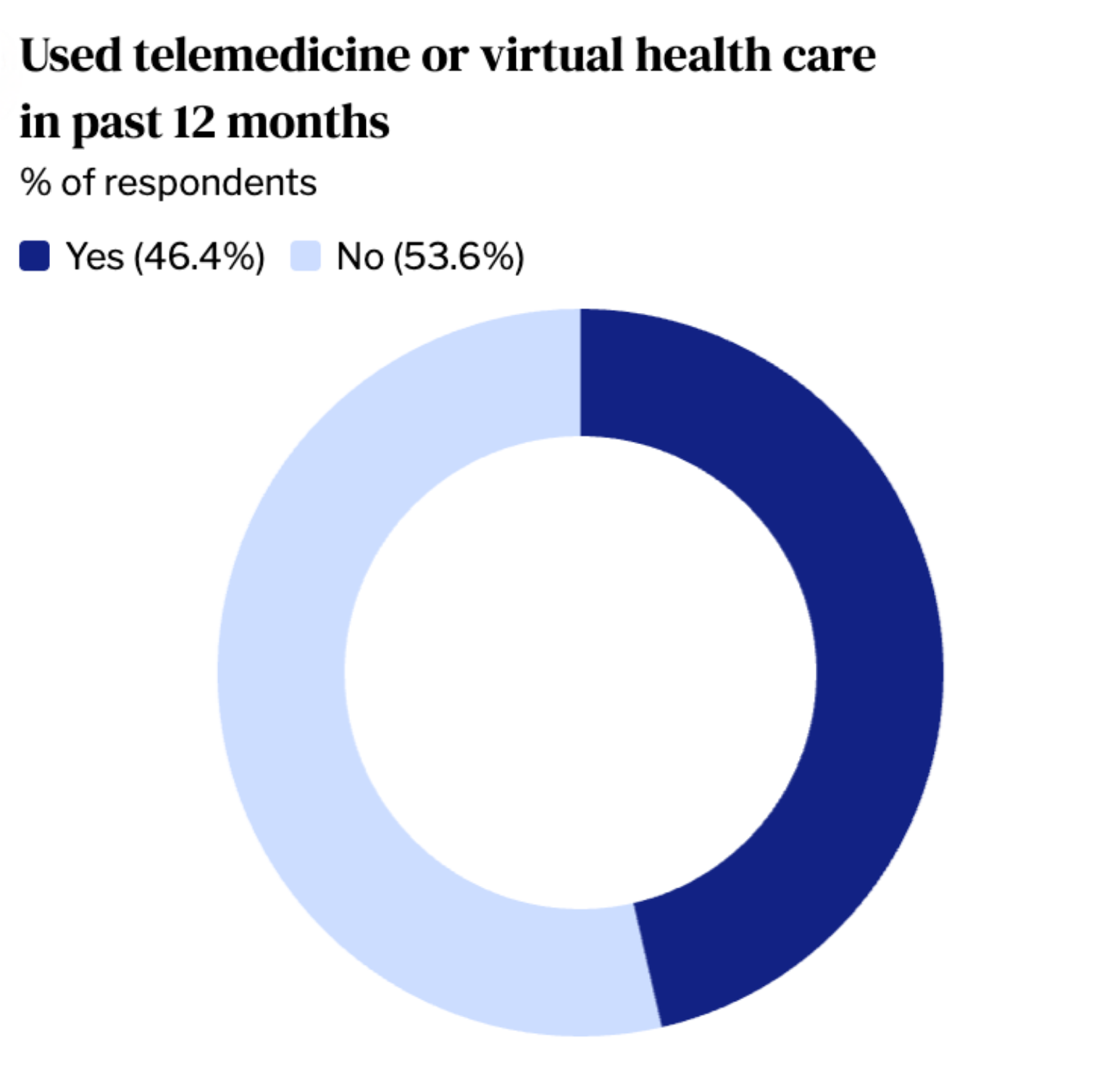
There is, however, a meaningful signal of hope in our data. Women are not simply accepting the status quo. They are actively looking for more affordable pathways to care—and virtual care is an important option for them.
46.4% of women in our survey have already used a telemedicine or virtual health care service in the past 12 months. And 77.9% say they would be likely or very likely to use a virtual clinic for women's health services if it were more affordable than in-person care.
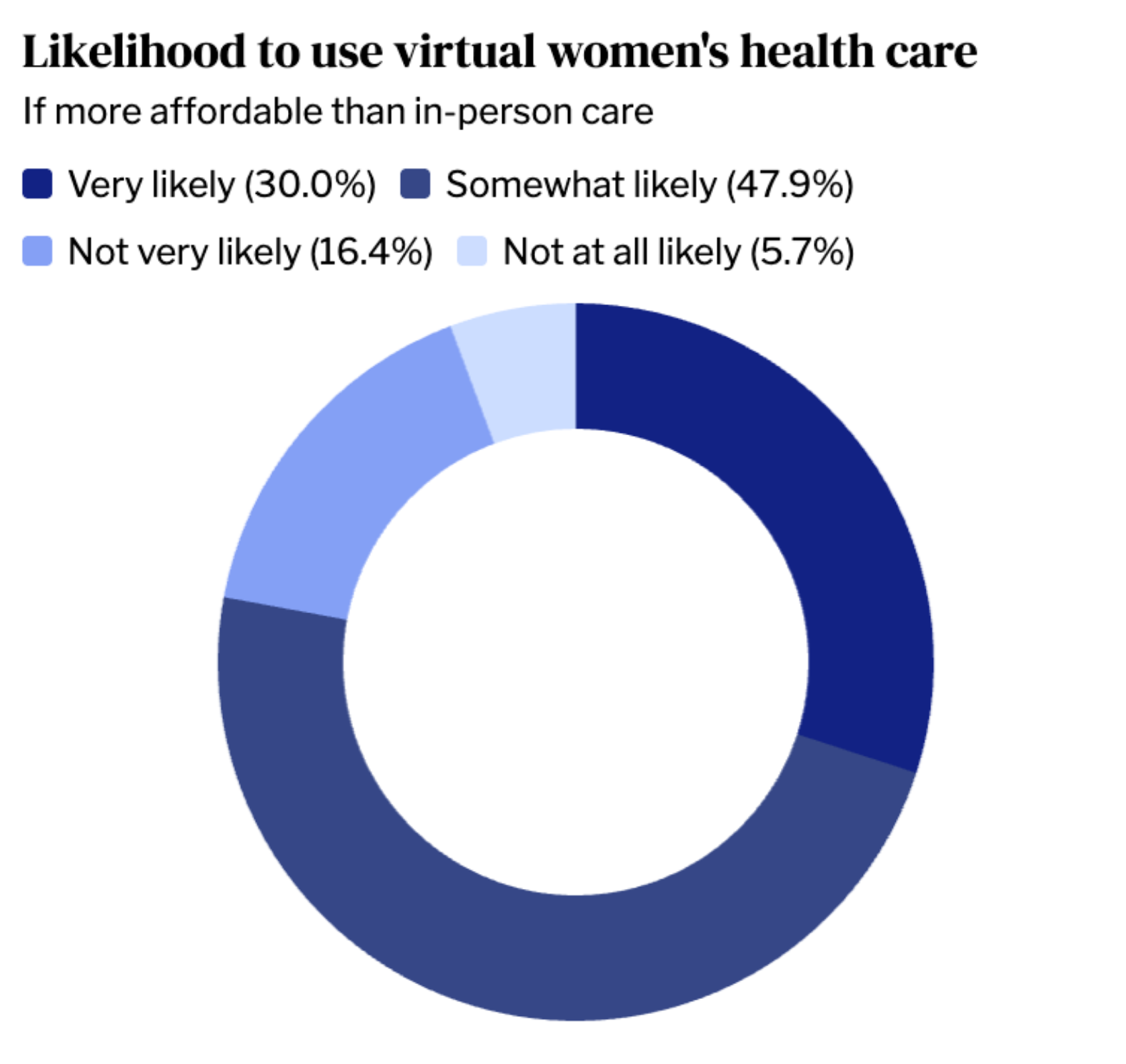
That appetite for virtual care reflects a broader shift in how women think about accessing health services. When cost and convenience are barriers to in-person care, telehealth offers a path around both. For reproductive health care in particular—where access can be limited by geography, cost, and stigma—virtual care has the potential to close gaps that the traditional health care system has left open. As one of the few virtual clinics providing reproductive and sexual health care to accept insurance (both private and public), as well as offering income-based sliding scale pricing for our self-pay patients, we at Hey Jane strive to make care as affordable as possible. Because we believe that no woman should have to choose between her financial stability and her health.
These findings are a call to action—for policymakers, for employers, and for the health care system—to take seriously the ways that economic pressure is quietly eroding women's health. And they are a reminder that accessible, affordable virtual care isn't a convenience. For millions of women right now, it's a necessity.
Take action and join the Un-Whisper Network

.avif)